



The home test was straightforward with easy to follow instructions. The test result was detailed and clear in its presentation. Also had the opportunity to ask questions about the test result.
Richard

Order before 2:00 PM - your package will be shipped the same day!



Burnout symptoms often begin subtly before intensifying over time. These may include:
Physical symptoms can also arise, including chronic fatigue, sleep disturbances, headaches, gastrointestinal issues, and increased susceptibility to illnesses due to compromised immunity. From a functional medicine viewpoint, these symptoms are interconnected and indicative of systemic imbalance.
In functional medicine, the belief is that burnout arises from an interplay of genetic, environmental, and lifestyle factors. Prolonged exposure to stress is a significant contributor, with the body’s stress response system—the hypothalamic-pituitary-adrenal (HPA) axis—becoming dysregulated over time.
Prolonged stress leads to chronic elevation of the hormone cortisol. Initially, this helps the body cope with stress, but over time, constant high levels can lead to ‘cortisol resistance,’ similar to how insulin resistance develops in diabetes. When this happens, tissues become less responsive to cortisol, leading to inflammation and a cascade of health issues that contribute to the feeling of burnout.
Diet, exercise, sleep quality, and exposure to environmental toxins also play critical roles in burnout. Poor nutrition can lead to deficiencies in key vitamins and minerals necessary for energy production and stress management. Lack of exercise, poor sleep, and exposure to toxins can contribute to physical and mental fatigue, exacerbating burnout symptoms.
Functional medicine approaches burnout by addressing its root causes and restoring balance in the body systems. Here are some strategies:
 Lab Test
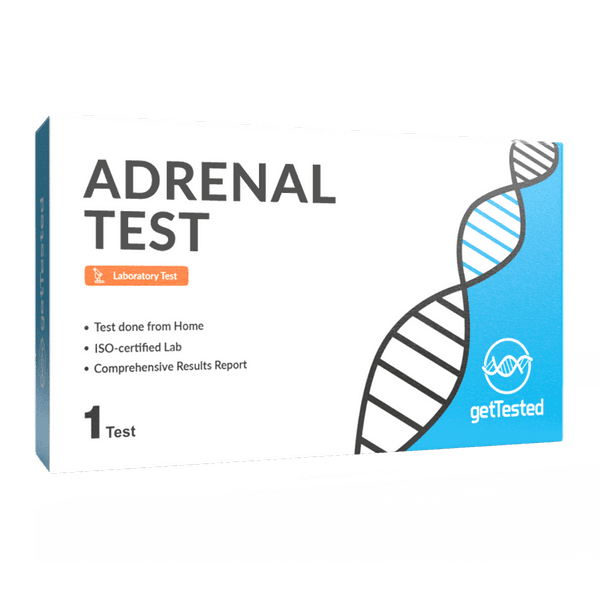
Adrenal Fatigue
Adrenal fatigue, known as tired adrenal glands, happens when the adrenal glands cut down hormone production after long-term severe stress or trauma. This mainly affects cortisol and DHEA levels. Initially, the adrenal glands boost cortisol and DHEA production in response to stress. Research shows that prolonged stress leads to a decrease in DHEA. Thus, measuring both cortisol and DHEA is vital to evaluate adrenal function and provide the right support.
DHEA
Low DHEA levels can cause symptoms like fatigue, depression, low libido, and obesity. High levels, on the other hand, might lead to PCOS, acne, and hair loss. People with chronic fatigue syndrome (CFS) commonly have low DHEA levels.
Cortisol
Since cortisol levels fluctuate during the day, it's important to measure them multiple times to get a full picture of adrenal cortisol production. Ideally, cortisol levels should be highest in the morning and decrease as the day progresses. Today, many people show abnormal cortisol patterns, including levels that are too low, high, flat, or even inverted. This test specifically measures bioavailable free cortisol seven times in a single day, as only free cortisol is biologically active.
How Does the Adrenal Test Work?
You receive two saliva test kits to use at home. The cortisol samples are taken seven times in one day, and the DHEA samples twice in the morning. Once you collect the samples, send them to our lab. Your digital test results will be available as soon as our lab finishes analyzing your samples.
 Lab Test
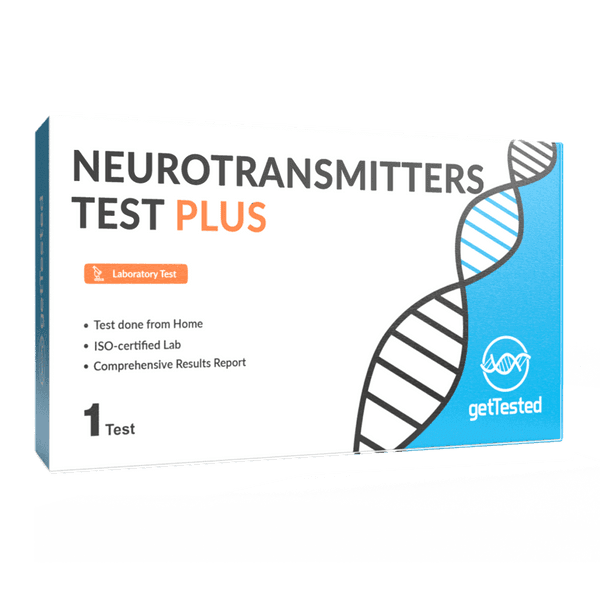
What are Neurotransmitters?
Neurotransmitters, the body's chemical messengers, play a pivotal role in our behavior and emotions. Acute or chronic stress, whether physical or mental, can disrupt their delicate balance. Our Neurotransmitter Plus Test offers an insightful analysis of key neurotransmitters: GABA, glutamic acid, serotonin, dopamine, adrenaline, noradrenaline, and their ratio, providing a comprehensive look into your mental and emotional health.
GABA: The Calming Neurotransmitter
GABA (Gamma Amino Butyric Acid) acts as the central nervous system's primary inhibitory neurotransmitter, crucial for reducing stress responses. It aids in sleep regulation, appetite control, blood pressure, and anxiety reduction. GABA, synthesized from glutamic acid, has a vital role in calming the brain and is available as a supplement for those with low levels.
Glutamic Acid/Glutamate: The Cognitive Enhancer
Glutamic acid, or glutamate, is essential for cognitive functions like learning, memory, and motor skills. As the brain's most abundant excitatory neurotransmitter, it facilitates nerve signal transmission. Prolonged stress can often elevate glutamic acid levels. Besides its neurological role, glutamate is also a common food additive, enhancing flavor in various foods.
Serotonin: Mood and Sleep Regulator
Serotonin significantly impacts mood, sleep, appetite, and blood pressure. It's known for its antidepressant and anxiety-reducing effects, as well as its ability to regulate sleep and appetite. Low levels of serotonin can lead to obesity, depression, anxiety, insomnia, and migraines. Stress affects serotonin production, with levels typically dropping during prolonged stress periods.
Dopamine: The Reward and Motivation Molecule
Dopamine drives motivation, concentration, and cognitive ability. As a critical component of the reward system, it's often referred to as the 'feel-good hormone.' Low dopamine levels are linked to depression, restless legs, and compulsive behaviors. Conversely, high levels can cause memory issues and mood swings. Dopamine imbalances are also associated with addiction.
Adrenaline: The Stress Response Trigger
Produced in the adrenal medulla, adrenaline (epinephrine) boosts mental activity, heart rate, and blood pressure, especially under stress or in threatening situations.
Noradrenaline: Action and Concentration Booster
Noradrenaline (norepinephrine), vital for mobilizing the brain and body for action, increases blood pressure and aids motivation and concentration. It rises with stress and serves as a precursor to adrenaline.
How the Test Works
The Neurotransmitters Plus is a simple, at-home urine test. Just collect your second morning urine in the provided test tube and send it to our ISO-certified lab. You'll receive your digital results promptly after analysis, offering you a detailed view of your neurotransmitter levels.
 Lab Test
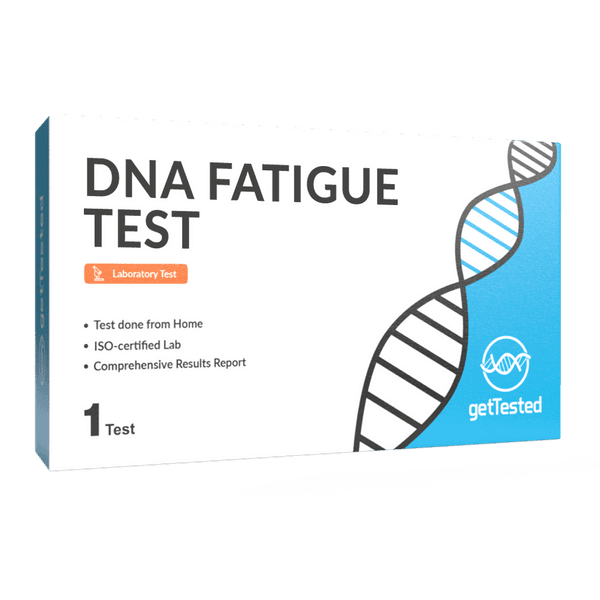
Who is the DNA Fatigue Test Suitable For?
The DNA Fatigue Test is designed for anyone seeking to understand the roots of their fatigue and low energy levels. It's especially valuable for individuals experiencing chronic fatigue, anemia, sleep disturbances, mood swings, and other energy-related issues.
How Does It Work?
Order the Test: Order your GetTested DNA Fatigue Test online and have it delivered to your home.
Collect the Sample: Use the provided test kit to easily collect a saliva sample at home.
Return the Sample: Place the sample in the prepaid return envelope and send it back to the GetTested laboratory.
The Results: Within 6-8 weeks of receiving your sample, we analyze your genes and generate a comprehensive response report.
Test Report and Recommendations
Once your results are ready, you will receive a comprehensive response report from GetTested explaining your genetic insights and what they mean for your health. In addition, the report includes personalized recommendations and strategies to optimize your health based on your genetic results.
About the Sample Material
The DNA and original sample material are destroyed after analysis, and there is no personal connection to the sample except for your unique test ID to which your test results are linked. The information is completely anonymized, and the lab has no knowledge of whom it belongs to. We do not give or sell the results to any third party. You also have the option to remove your test results after receiving them.
 Lab Test
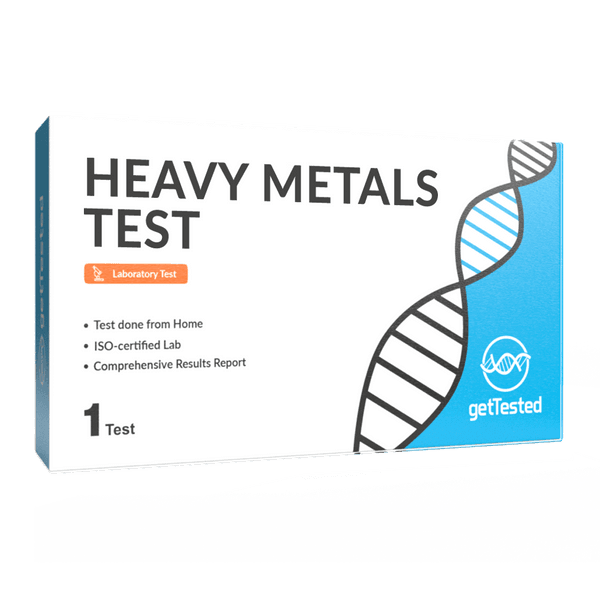
Who Should Take the Heavy Metals Test?
Heavy metals can be hidden culprits behind various imbalances and diseases. Since they accumulate in tissues and organs, causing diverse symptoms, it can be challenging to link these issues to a toxic load in the body. For instance, symptoms or diseases where a heavy metal test may be relevant include hormonal imbalances (ranging from thyroid issues to PMS and mood swings), autism, skin problems, Alzheimer’s/dementia, Parkinson's, autoimmune diseases, and liver and kidney problems.
Furthermore, about Heavy Metals, metals such as arsenic, cadmium, lead, mercury, and aluminum generate numerous free radicals in our bodies. Many researchers believe these radicals are the root cause of several chronic diseases.
What Are Heavy Metals?
Essentially, heavy metals are unchelated, ionically charged metals. Examples include arsenic, cadmium, lead, nickel, aluminum, mercury, and iron. Electromagnetically active, these metals can accumulate in the body, creating significant amounts of free radicals. Primarily, they come from environmental pollutants that humans ingest or inhale, contaminating our soils and watercourses. In the body, heavy metals can disrupt the brain, kidneys, and immune system, leading to a variety of severe symptoms. However, these symptoms can range widely, from fertility issues to eczema, and mental health issues such as depression, anxiety, and restlessness.
How Do Heavy Metals Damage Our Bodies?
Significantly, heavy metals are among the most severe health threats today. Toxic to our bodies, they mainly originate from environmental pollutants. For example, cars and industries release lead into the air, which we subsequently inhale. Our food, waterways, and soils often contain substantial amounts of lead. Moreover, pesticides, cigarette smoke, and pencils are other common sources of lead exposure. Predominantly, we find mercury in amalgam fillings, fish, and cosmetics, while aluminum is present in products like deodorants, stomach acid medicines, and aluminum pots.
When heavy metals accumulate in our bodies, they target the brain, kidneys, and immune system. Subsequently, they create vast amounts of free radicals that disrupt and damage various functions. Free radicals are unstable atoms that trigger chain reactions, potentially causing cell damage, DNA changes, and diseases like cancer. Not only do these radicals accelerate aging, but they also contribute to chronic diseases such as asthma, allergies, MS, Parkinson's, rheumatism, arthritis, diabetes, and cardiovascular diseases.
Particularly, mercury is a highly toxic heavy metal that poses a significant challenge, as the body struggles to produce antitoxins against it. Consequently, this leads to disrupted energy production within nerve cells, ultimately poisoning and killing them.
What Can Be Done to Avoid Heavy Metals?
To minimize heavy metal exposure, it's crucial to surround yourself in a clean environment and reduce contact with these elements. Natural products like chlorella, spirulina, seaweed, garlic, fiber products, and intestinal cleansing programs can assist the body in eliminating heavy metals. Additional recommendations include removing amalgam fillings, replacing aluminum cookware with stainless steel, using natural deodorants and cosmetics without aluminum, and avoiding aluminum-containing gastric acid-reducing preparations.
How to Take the Heavy Metals Test
Conveniently, the test is a urine test that you can easily conduct at home. After collecting the sample, simply send it to our lab for analysis. Rest assured, you will receive your test results digitally.




4
1

3
2
The home test was straightforward with easy to follow instructions. The test result was detailed and clear in its presentation. Also had the opportunity to ask questions about the test result.
Richard

We looked at a lot of companies offering the same services but made the decision to go forward with get tested because the labs are based here in the Europe. The process has been very straight forward.
Natasha

There are other providers out there, I have tried 3. Gettested was the fastest and the customer service was the best. I even received my test on the day of purchase delivered by a motorbike courier.
Alan


Absolutely perfect, results came after few days and finally after a lots of times visited GP, we finally know why my son has eczema - he is allergy to carrot. Thanks a lot.
E

I found them to be professional and not too long a wait for results. Helpful with any after questions. Will be using them again if need be. I highly recommend them.
Eileen
